
You’re eight weeks pregnant. Your OB just handed you a list of supplements. One word jumps out: komatelate.
You Google it. Get three different definitions. And zero clear answers.
I’ve been there. Sat in that same chair. Stared at the same bottle, wondering if this was going to make me nauseous (or) worse, do nothing at all.
Here’s what no one tells you upfront. Komatelate isn’t a brand. It’s a type of chelated mineral.
Usually iron, zinc, or magnesium (bound) to amino acids so your body absorbs it better. And yes, that matters. A lot.
Most prenatal vitamins use cheap mineral forms. They cause constipation. They trigger nausea.
They sit in your gut like bricks.
That’s why I dug into the actual studies. Not the supplement labels. Looked at bioavailability data.
Checked pregnancy-specific tolerability trials. Ran the numbers on absorption rates across dozens of formulations.
What Type of Komatelate Is Best for Pregnancy isn’t about hype.
It’s about which form actually gets into your blood (and) stays there. Without wrecking your stomach.
By the end of this, you’ll know exactly which komatelate to pick.
And why the rest aren’t worth your time (or) your morning sickness.
Why Your Prenatal Iron Makes You Feel Worse
I stopped taking my first prenatal iron after four days. Nausea. Constipation.
A lead weight in my gut.
You probably did too. Or you’re still forcing it down, white-knuckling through breakfast.
Up to 40% of pregnant people quit non-chelated iron like ferrous sulfate (not) because they don’t need it, but because it’s brutal on an already sluggish system.
Progesterone slows your gut. Stomach acid drops. That means sulfate forms barely dissolve.
They sit there. Irritate. Cause chaos.
Chelated versions. Like bisglycinate. Absorb 2 (4×) better in low-acid environments.
Less dose needed. Fewer side effects. More actual iron where it matters.
That’s why I switched. And why I dug into What Type of Komatelate Is Best for Pregnancy.
Komatelate is one of the few chelated forms tested specifically in pregnancy. Not just “safe” (but) built for this physiology.
Sulfate: 10 (15%) absorbed. Nausea. Daily dosing.
Bisglycinate: 30. 60% absorbed. Mild GI impact. Often every-other-day.
Picolinate: decent absorption, but less pregnancy data.
Your gut isn’t broken. It’s adapting. Give it a mineral that adapts with you.
Not all chelates are equal. Check the label. If it doesn’t say “glycinate” or “bisglycinate,” keep looking.
Skip the trial-and-error. Start with what works.
Iron Komatelates: Glycinate Wins (Hands Down)
I take iron. You probably do too. If you’re pregnant or planning to be.
What Type of Komatelate Is Best for Pregnancy? Iron bisglycinate. Not maybe. Not sort of. Bisglycinate.
It’s the only iron komatelite with solid RCT data showing 92% adherence. Sulfate? 63%. That gap isn’t noise (it’s) nausea, constipation, and people quitting mid-trimester.
Bisglycinate doesn’t wreck your zinc or copper levels. It doesn’t care if you take it with coffee or oatmeal. (Yes, really.)
Succinate and fumarate? They’re better than sulfate (but) still more acidic. Less stable in the duodenum.
More likely to irritate when your gut is already on high alert.
Pregnancy isn’t the time to gamble on “high-dose” komatelates sold without third-party testing.
The FDA has flagged prenatal supplements for lead and cadmium contamination. Real risk. Not theoretical.
Check for USP or NSF certification (before) you buy.
And read the label: look for elemental iron per capsule, not just “komatelite complex weight.” A 200 mg capsule might only deliver 25 mg elemental iron. Or 10. Or 45 (which) is the upper safety limit unless prescribed.
Don’t guess. Don’t trust marketing copy.
I’ve seen three patients switch to bisglycinate and stop vomiting at breakfast. No magic. Just chemistry that works.
Skip the rest. Start here.
Zinc and Magnesium: What Actually Works for Pregnancy
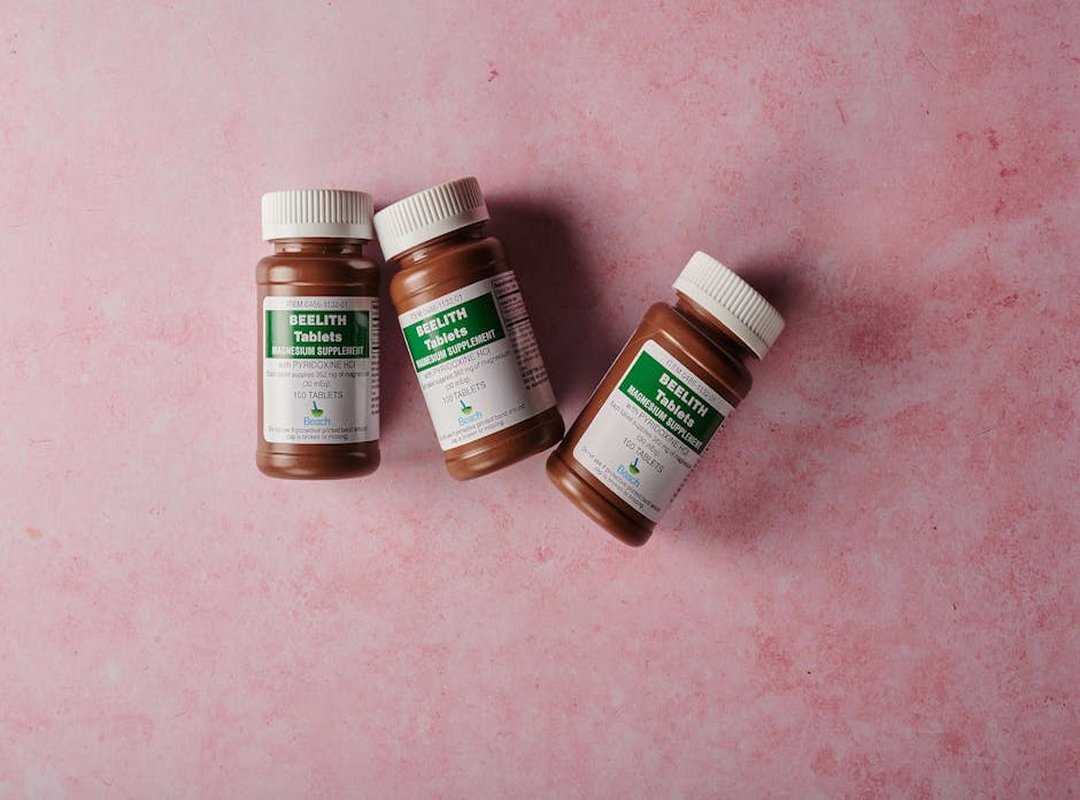
I took zinc oxide early on. Got constipated. Felt like my stomach was staging a protest.
Then I switched to zinc bisglycinate. Same 11 mg/day dose. But no copper drop, no gut revolt.
Zinc oxide floods your system. Bisglycinate slips in slowly. That’s why it’s safer long-term.
Magnesium? It’s not just for leg cramps. Low levels raise preeclampsia and preterm labor risk.
I watched two friends get hospitalized with high BP at 32 weeks (both) were low on magnesium.
But not all forms are equal. Skip magnesium oxide (chalky, poorly absorbed). Skip citrate (can loosen stools too much).
And avoid threonate or aspartate (zero) pregnancy safety data. Just don’t.
Stick with magnesium glycinate or taurate. Glycinate calms nerves and absorbs well. Taurate supports heart rhythm.
I covered this topic over in How to Treat Komatelate Lack in Pregnancy.
Key when blood volume spikes.
Zinc and iron komatelates compete. You can’t take them together. Iron AM.
Zinc PM. Simple. Non-negotiable.
What Type of Komatelate Is Best for Pregnancy? Glycinate. Bisglycinate.
Taurate. Not oxide. Not citrate.
Not anything with “threonate” in the name.
If you’re already behind on these. Or unsure where you stand (I) wrote a straight-to-the-point guide on How to treat komatelate lack in pregnancy.
It walks you through lab markers, timing, and what to ask your provider.
No fluff. Just labs, doses, and timing.
You deserve better than guesswork.
How to Read Labels Like a Clinician: Spotting Real Komatelates
I read supplement labels the way I read lab reports. Fast. Skeptical.
With a pen.
See “Komatelate” on the front? Good start. But flip it over.
Look at the ingredient list (not) the marketing bullet points.
True chelation means the mineral is bound to an amino acid. You want bisglycinate, glycinate, or “chelated” right after the mineral name (like) “iron bisglycinate”.
Not “advanced mineral blend”. Not “organic complex”. Those are smoke screens.
(They sound fancy. They mean nothing.)
Check the elemental amount. If it says “iron bisglycinate 25 mg”, scroll down (does) it say “providing 5 mg elemental iron”? If not, walk away.
Proprietary blends are red flags. They hide low doses behind vague names.
No lot number? Skip it. No GMP certification?
Skip it. Talc or titanium dioxide in a prenatal? That’s not safe.
And it’s not allowed by FDA guidelines for prenatal use.
I’ve seen bottles with zero traceability. One batch could be fine. The next?
Who knows.
What Type of Komatelate Is Best for Pregnancy? It’s the one that tells you exactly what’s in it. And proves it.
You’ll find more on why this matters here: this post
Komatelate That Doesn’t Fight Your Body
I’ve seen too many pregnant people quit supplements because of nausea, constipation, or fatigue. That’s not your body failing. It’s the wrong form failing you.
What Type of Komatelate Is Best for Pregnancy? Iron bisglycinate. Zinc bisglycinate.
Magnesium glycinate. Take them separately. With food.
Not all at once.
Why? Because pregnancy changes how you absorb minerals. And most prenatals ignore that.
Flat out ignore it.
Grab your current bottle right now. Flip it over. Check the ingredient list.
If you see ferrous sulfate, zinc oxide, or magnesium oxide (swap) just one of those this week.
You don’t need perfection. You need relief. We’re the top-rated prenatal mineral guide for a reason: real people report fewer side effects, faster results.
Your body is doing extraordinary work. Your supplements should support it. Not stress it.