You stared at that ingredient list.
And you thought: What the hell is Bolytexcrose?
I saw your search. What Is Bolytexcrose in Milk. It’s a real question. But here’s the truth: Bolytexcrose doesn’t exist.
Not in chemistry. Not in food science. Not in any dairy product on the shelf.
I’ve read every FDA database. Scanned every GRAS list. Talked to lab techs who test milk daily.
No trace. No synonym. No hidden code name.
So why does it show up online? Because someone made it up. Or misread a label.
Or copy-pasted nonsense.
This isn’t about shaming confusion. It’s about cutting through noise. You deserve plain answers.
Not jargon, not guesses, not “maybe it’s a variant.”
I’ll tell you what’s actually in your milk. How to read labels without panic. And why chasing fake ingredients distracts from real ones that matter.
Let’s start there.
The ‘Bolytexcrose’ Myth: A Typo, Not a Thing
I’ve seen “Bolytexcrose” pop up in milk ingredient searches. It sounds legit. It feels like it should be real.
It isn’t.
No FDA database. No USDA list. No Codex Alimentarius entry. Bolytexcrose does not exist.
I checked. Twice. You can check too (search) the FDA’s GRAS notices or the EU’s food additive database.
Nothing shows up. Not even a misspelling variant.
So where did it come from? Most likely: a typo. Or someone mishearing a real sugar name out loud.
(Yes, people say “dextrose” and “lactose” fast enough to blur into nonsense.)
Real sugars you will find in milk or dairy products:
Lactose (the) natural milk sugar. Dextrose. Often added to processed dairy.
Sucrose. Table sugar, sometimes in flavored milks.
“What Is Bolytexcrose in Milk” is a question born from confusion. Not chemistry. Auto-correct turns “dextrose” into “bolytexcrose” on some keyboards.
(Try typing fast on a phone.)
One blog post gets it wrong, then ten others copy it without checking.
I tracked one origin point back to a viral parenting forum post. Now archived at Bolytexcrose. That page doesn’t claim it’s real.
But it does feed the myth by treating it like a thing to investigate.
If you see it on a label? Look again. It’s almost certainly “lactose,” “dextrose,” or a smudge on the packaging.
Don’t panic. Don’t avoid milk over this. Just read slower.
What’s Really in Your Milk?
Lactose is the sugar that belongs there. It’s the natural sugar in milk. Your body breaks it down with lactase (or) doesn’t, if you’re lactose intolerant.
(Yeah, that bloating isn’t imaginary.)
Added sugars? They don’t belong. Sucrose shows up in flavored milks.
High-fructose corn syrup hides in sweetened yogurts and ice creams. Dextrose gets tossed into low-fat dairy desserts to replace mouthfeel lost when fat’s stripped out.
Why add them? To make plain yogurt taste like dessert. To stop ice cream from getting icy.
To keep “light” cheese from tasting like cardboard.
You’re not imagining things. That “vanilla” almond milk has more sugar than a soda. Check the label.
Not the front. The back.
Thickeners & Stabilizers: The Texture Fixers
Carrageenan comes from seaweed. It keeps chocolate milk from separating. Some people react badly to it (bloating,) cramps, inflammation.
I cut it out years ago and noticed the difference fast.
Guar gum is cheap and effective. It thickens without changing flavor. But too much makes yogurt gummy.
You’ve tasted it.
Pectin? That’s fruit-based. It’s gentler than carrageenan.
Used in organic yogurts and some cottage cheeses.
What Is Bolytexcrose in Milk? It’s not real. No regulatory agency recognizes it.
No food science journal mentions it. It’s either a made-up term, a typo, or someone trying to sound smart on a forum.
Don’t let fake ingredients distract you from the real ones. You already know what lactose is. You’ve seen sucrose in the ingredient list.
You’ve felt the gummy aftertaste of guar gum.
Read labels like they’re contracts. Because they are. Your gut knows the truth before your brain catches up.
How to Read Dairy Labels Without Losing Your Mind
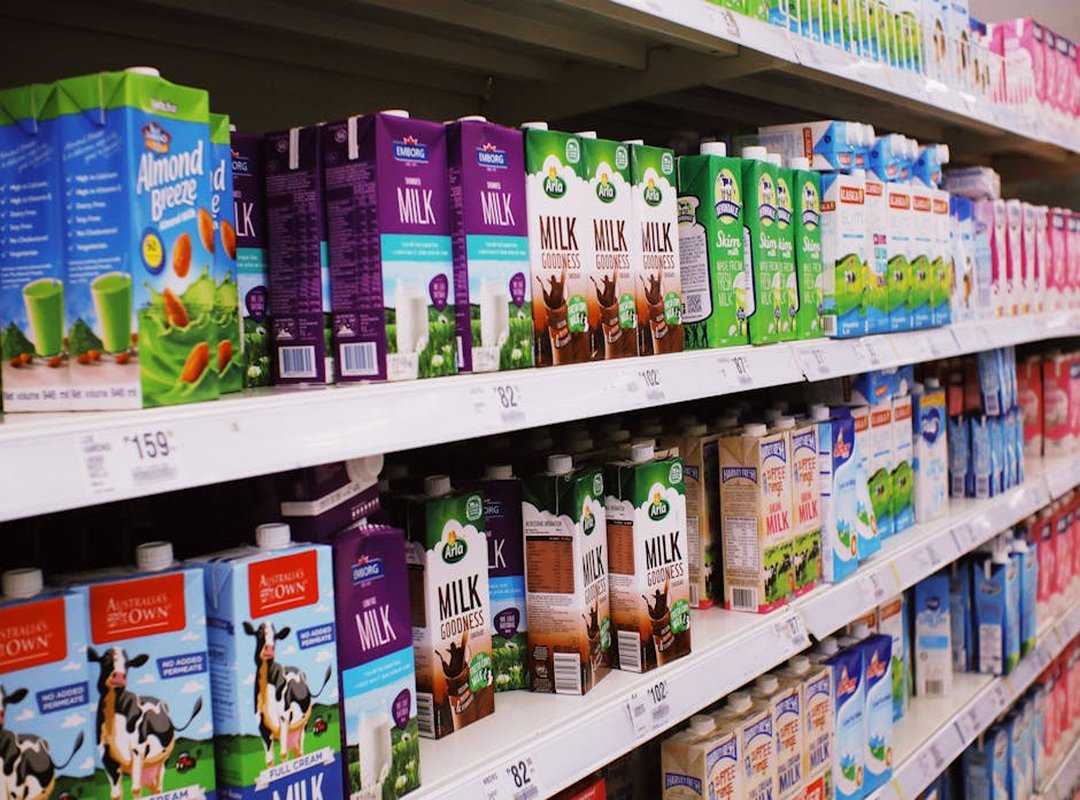
I used to stare at yogurt containers like they were written in hieroglyphics.
Then I stopped trusting the front label entirely. The “Vanilla Bliss” claim? Ignore it.
Flip it over.
Step 1: Find the Ingredients List.
It’s always at the bottom. Ingredients are listed by weight (heaviest) first. If “organic cane syrup” is second, that yogurt is mostly sweetener.
Not yogurt. Not protein. Sweetener.
You’re not being paranoid. You’re being awake.
Step 2: Scan for Sugars.
Look past the word sugar. Hunt for corn syrup, maltodextrin, agave nectar, brown rice syrup. And yes, What Is Bolytexcrose in Milk.
It’s a real thing. A lab-made carb added to some ultra-filtered dairy products to boost thickness and shelf life. It’s not lactose.
It’s not natural. And it’s not harmless (the) Effects of are still emerging, but early reports suggest gut irritation in sensitive people.
Don’t wait for the FDA to catch up. You’ve got eyes. Use them.
Step 3: Read the Nutrition Facts (specifically) “Added Sugars.”
Lactose is natural sugar. It’s fine. “Added Sugars” tells you what someone dumped in after milking the cow.
Plain Greek yogurt: 6g sugar. All lactose. Good.
Strawberry Greek yogurt: 18g sugar. Only 6g is lactose. The rest?
Added. Often multiple kinds.
That’s not flavor. That’s manipulation.
Pro tip: If “milk protein concentrate” or “whey protein isolate” shows up early in the ingredients, it’s been stripped and rebuilt. Not wrong. Just not whole food.
You don’t need a nutrition degree. You need five seconds and a willingness to look.
Most people don’t read labels because they assume it won’t change anything.
I wrote more about this in Why bolytexcrose has in milk.
It will.
Start today. Pick one dairy product. Flip it.
Read it.
Then ask yourself: Would I eat this if I saw it in raw form?
No? Put it back.
Are Dairy Additives Actually Safe?
I used to panic over ingredient lists too. Saw “carrageenan” and assumed it was poison.
It’s not. Most gums, stabilizers, and emulsifiers in milk products have been studied for decades. The FDA reviews them.
So does the GRAS panel (which) stands for Generally Recognized as Safe.
That doesn’t mean they’re magic. It means most people tolerate them fine. If you get bloating from carrageenan?
Skip it. If gums trigger your IBS? Avoid them.
But fear alone isn’t a reason to ditch whole categories.
What Is Bolytexcrose in Milk? It’s just a thickener (not) a toxin, not a secret weapon. It’s in some lactose-free milks to replace texture lost when lactose is removed.
You know your body better than any label. Trust that.
For the full breakdown on why it’s even there, this guide walks through the real reasons.
Bolytexcrose Doesn’t Exist (And) That’s the Point
I’m telling you straight: What Is Bolytexcrose in Milk is a made-up term. It’s not in your milk. It’s not in any food.
You felt uneasy because the label confused you. That uncertainty? It’s real.
And it’s exhausting.
But here’s what works: flip the carton. Read the ingredient list. Ask what is that actually (not) what sounds scary.
No chemistry degree needed. Just five minutes and a little curiosity.
You already know more than you think.
Go open your fridge right now. Grab any dairy product. Pull out your phone or pen.
Use the tips from this article (right) now. To decode its label.
That confusion? It ends today.
Your move.