First Trimester (Weeks 1 12)
The first trimester is a whirlwind. Fatigue hits hard, nausea kicks in early, and your body starts doing its hormonal shuffle. It’s normal to feel like you’ve been knocked off your feet even if you just found out you’re pregnant yesterday.
Under the radar, huge things are happening: the baby’s heart starts beating around six weeks, and essential organs like the brain, lungs, and liver start taking shape fast. It’s rapid development in a tiny package.
Expect your first prenatal checkup between weeks 6 and 8. They’ll likely confirm the pregnancy, estimate your due date, run bloodwork, and maybe even schedule your first ultrasound. The waiting room might feel cold, but those early scans? They’re real deal magic.
Emotionally, you might bounce between excitement and overwhelm. That’s normal. Mood swings, anxiety, and emotional fog show up in part thanks to hormone spikes, but also because everything just got very real. Let yourself feel it, and don’t be afraid to talk it out with your partner or provider.
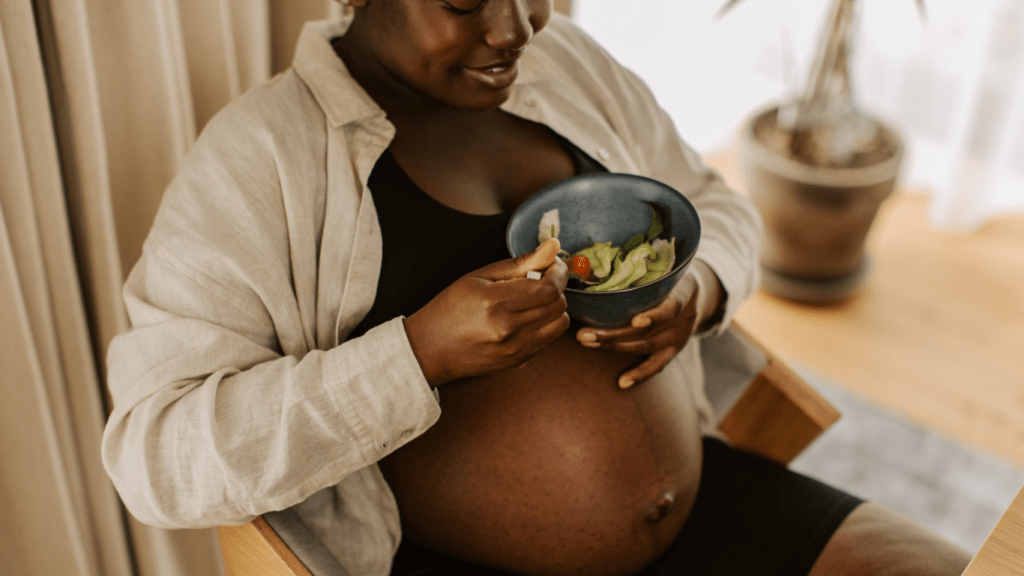
Keep your nutrition balanced: small, frequent meals help manage nausea. Hydration and rest are non negotiable. Skip the pressure to do everything perfectly. Eat what you can, sleep when you need to, and trust that your body’s doing serious work behind the scenes.
This trimester is about tuning in, adjusting expectations, and giving yourself a pass when needed. It’s not glamorous but it’s the foundation.
Second Trimester (Weeks 13 26)

Let’s call it the breath of fresh air trimester. For many, the second trimester brings a much needed break from intense nausea and fatigue. You’ll probably feel more like yourself again or at least a new version of you with a growing belly and a strange craving for pickles or peanut butter on toast.
Physically, this is when the pregnancy becomes more visible. That bump makes its appearance, and the sluggishness of the first trimester often gives way to more energy. Some report a lift in mood. Others feel like cleaning everything in sight. Welcome to the nesting instinct.
This is also a busy time for screenings. Around weeks 18 to 22, the anatomy scan checks in on your baby’s development. Bloodwork, glucose testing, and optional genetic screenings usually fall into this phase too. Plus, if you haven’t felt them yet, baby kicks may start fluttering in like tiny bubbles or muscle twitches.
While your body’s shifting gears, your home should too. You don’t need a perfectly curated nursery yet, but it helps to start thinking about where the baby will sleep, what gear you actually need (hint: probably less than you think), and how your routines might change.
Birth ideas also start forming in this window. Whether you’re all in on water birth or just want to figure out where the hospital parking lot is, now’s the time to lightly sketch your plan. Nothing’s written in stone just begin building awareness of your options.
For more detailed guidance on each stage, explore pregnancy phases explained.
Third Trimester (Weeks 27 40+)
Your Body: A New Level of Intensity
As the third trimester sets in, your body enters its final stretch and it doesn’t hold back. Many people experience:
Back pain due to your shifting center of gravity
Swelling in the feet, ankles, and hands
Disrupted sleep caused by discomfort, frequent urination, or vivid dreams
Now more than ever, rest and body support tools (like maternity pillows or compression socks) can make a big difference.
Baby’s Development Milestones
Inside the womb, your baby is making big strides in preparation for life outside:
Rapid brain growth accelerates in these final weeks
Fat accumulation increases, helping regulate body temperature after birth
Final organ maturation ensures baby can breathe and digest properly after delivery
Weekly growth checkups may become more frequent during this stage, depending on your provider.
Your Hospital Bag Checklist
It’s time to prep your go bag for whenever labor begins. Essentials may include:
Copies of your birth plan and insurance card
Comfortable clothes, socks, and toiletries
Phone charger and snacks
Newborn essentials: diapers, swaddle, going home outfit
Have everything packed by week 36 just to stay ahead.
Recognizing Labor Signs
Understanding the difference between practice contractions and actual labor is key:
Braxton Hicks contractions: irregular and usually painless
True labor contractions: rhythmic, increase in intensity and duration
Water breaking and bloody show are also signs to call your provider
If you’re unsure, don’t hesitate to reach out better to check than guess.
Preparing For Delivery Day
The mental and physical prep now can ease stress when labor begins:
Attend childbirth classes or refreshers if available
Practice breathing and relaxation techniques
Talk to your provider about birth preferences and possible scenarios
Create a support plan for postpartum recovery
Don’t miss this in depth look at all stages: pregnancy phases explained
You’ve made it to the final leg take care of yourself, lean on your support system, and trust the journey ahead.
Keeping It Real
No two pregnancies feel the same. Some people breeze through the first trimester, others get slammed with symptoms until the third. Some feel deeply connected to the experience, others just want it to be over. All of it is normal.
Listening to your body matters more than any checklist. If you’re wiped out, rest. If you’re anxious, talk about it. Speak openly with your provider, and don’t downplay what you’re going through. Your support system partners, friends, doulas, online communities can only help if they know what’s up.
And here’s the biggest thing: give yourself grace. This is a massive physical, emotional, and mental shift. Let go of the pressure to “do it right” and focus on doing what’s right for you, day by day.