Work Life Boundaries Got Blurred
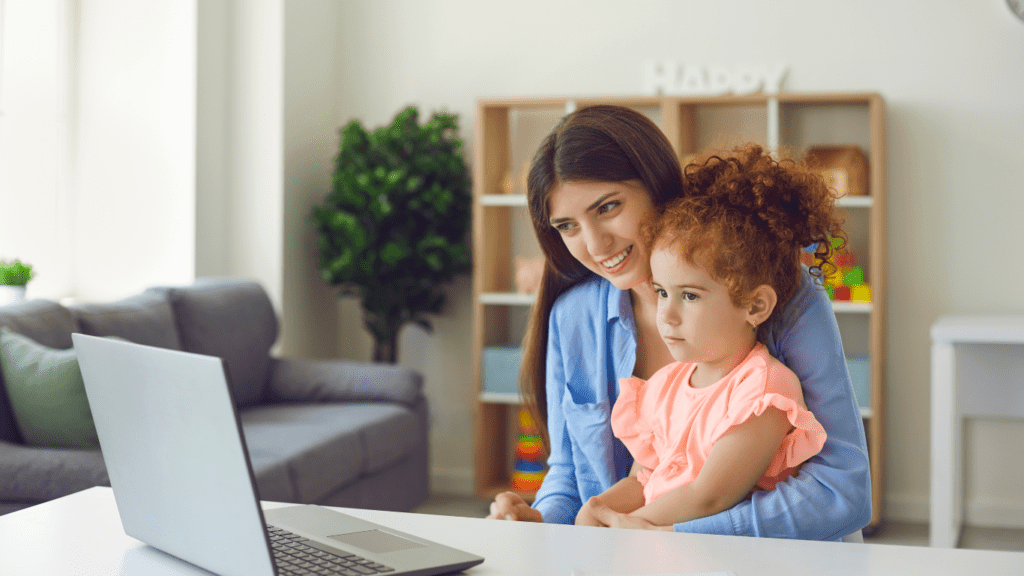
Remote work promised flexibility. And for many moms, it delivered at least on paper. Commutes vanished. Midday school pickups became possible. But the same laptop that offered freedom also brought work deeper into home life. There was no clean clock out. Meetings bled into dinner. Emails answered between naps and laundry loads.
It’s the double shift, version 2.0. One where moms now code switch between professional and parental roles every few hours, with little buffer. And while some found power in this balance, many felt stretched to the point of breaking.
So now, new rules are cropping up. Moms are claiming quiet hours. They’re setting Slack boundaries. They’re drawing hard lines around the workday, even when home is the office. It’s a survival tactic, sure but also a declaration: their time has value, and protecting it isn’t optional anymore.
Mental Health is Finally on the Table
For a long time, moms were expected to just push through exhausted, anxious, and somehow still grateful. Not anymore. Conversations around mental health have cracked wide open, and they’re long overdue. Anxiety, guilt, burnout what used to be whispered over coffee or buried behind smiles is now out in the open. It’s not weakness. It’s human.
Teletherapy has exploded in accessibility, giving moms a way to get help without jumping through logistical hoops. Online support groups mean you can find someone who gets it at any hour whether it’s 2 a.m. feedings or post bedtime breakdowns. These digital lifelines aren’t just tech workarounds they’re signs that the culture is shifting.
There’s a growing wave of moms who are done pretending. Done chasing the illusion of the perfect postpartum bounce back or the picture perfect family calendar. They’re trading curated highlight reels for raw honesty, and it’s building real connection. The goal isn’t perfection. It’s survival, sanity, and ideally a sense of self that doesn’t get swallowed whole by motherhood.
Parenting Roles Are Getting Rewritten

Traditional parenting roles are shifting and not just in subtle ways. The post pandemic world has amplified conversations about who does what at home, and many families are choosing to rewrite the script.
Dads Are More Present Than Ever
The old stereotype of the distant, career focused father is slowly fading. Today, more dads are embracing active roles in caregiving and domestic life.
More fathers are taking paternity leave when available
Stay at home dads are becoming more visible and vocal
Daily routines like school drop offs, homework help, and meal prep are shared more evenly in many households
This isn’t just a trend it’s a cultural recalibration of what fatherhood means.
Co Parenting Beyond the Traditional Mold
Co parenting today is stretching beyond biological and marital ties to become more inclusive and practical.
Divorced or separated parents are creating systems that prioritize stability over tradition
Queer and non traditional families continue to challenge and reshape conventional roles
Agreements now focus more on time equity, emotional labor, and shared decision making
These shifts are leading to healthier, more balanced parenting partnerships that support both parents and children.
Breaking the Mold: Redefining Family Structures
The definition of “family” is expanding and for the better. From blended families to households where roles are based on practicality rather than gender, post pandemic life has validated what many already knew:
There’s no one size fits all model for a nurturing, functional family
What matters most is respect, communication, and shared responsibility
Social media and vlogging platforms are helping normalize these new narratives
Explore how modern family structures are giving moms and dads space to thrive equally. These changes aren’t just disrupting expectations they’re making parenting fairer, more resilient, and more human.
Flexibility Mattered And It Better Not Go Away
When the world flipped in 2020, the systems that support (or don’t support) moms had to bend. Schools scrambled to offer remote options. Offices went virtual. Suddenly, showing up didn’t mean commuting it meant logging in, often with a toddler on one leg and a laptop on the other. It wasn’t seamless, and no one’s pretending it was easy. But for many moms, it offered something they’d long been told was impossible: flexibility.
And now that they’ve had it, they’re not letting go.
The wins are real no travel time, more time with kids, and the ability to work around nap schedules or school pickups. But they came at a cost: blurred lines, burnout, and the pressure to always be on. The lesson? Flexibility only works when it’s built with intention. And that’s what moms are asking for now: choice, structure, and support not just chaos with a “remote” label slapped on it.
Hybrid is here to stay. More schools are exploring mixed models. Employers are being pushed to rethink what productivity looks like. And the message from moms is simple: respect the juggle, or risk losing the talent. Flexibility isn’t a perk anymore it’s a mandate.
What’s Still the Same (And Maybe Shouldn’t Be)
For all the talk of progress, some things refuse to budge. Mothers are still the default project managers of family life tracking dentist appointments, managing school emails, remembering birthdays, monitoring screen time, packing lunches. The invisible list is endless, and most of it falls on moms, even in households where labor is supposedly split.
Then there’s the judgment. Online, at the park, even within families moms are praised or picked apart based on impossible standards. Breastfeed longer, but don’t make others feel bad. Go back to work, but only if it doesn’t disrupt the kids. It’s a setup. The pressure to get it all right is loud, and support usually shows up too late if at all.
And the structural gaps? Still gaping. Affordable childcare is a pipe dream for many, and paid leave remains inconsistent or nonexistent. These hurdles aren’t just frustrating; they force impossible choices between income, identity, and sanity. Until the system backs moms the way moms back everyone else, the future of progress will always come with a footnote.
The New Standard
The game is no longer about being the perfect mom with the perfect house and the perfect schedule. That image never told the full story anyway. What’s rising in its place is community a sense of showing up for each other, not outshining each other. Moms aren’t just sharing wins anymore. They’re sharing real days. Bad moods, messy kitchens, missed deadlines. Imperfection isn’t just accepted; it’s expected.
Success has started to mean something different: raising kids with heart, finding a rhythm that works for your family, and having the guts to ask for help when you need it. It’s less about performing for social media and more about being present in your actual life. Whether that means frozen waffles for dinner or letting go of guilt for taking ten quiet minutes alone, the standards have shifted.
Progress means leaving behind what wasn’t serving anyone constant comparison, self sacrifice as a badge of honor, silence about the hard stuff. But it also means holding on to what matters: traditions, values, intentional time with kids. The modern family comes in all shapes and systems now. Modern family structures are part of a motherhood redefined. And it’s about time.