Start with the Right Mindset
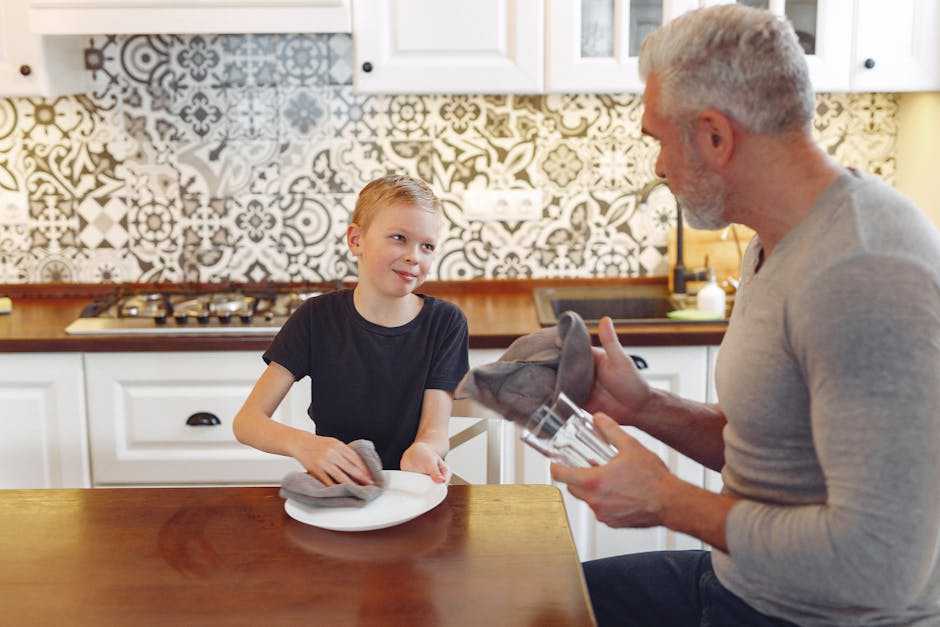
Getting your kids to pitch in at home isn’t about turning them into little machines it’s about helping them grow into capable, self sufficient people. When children take on age appropriate tasks, they start learning that being part of a household means showing up for each other. That kind of responsibility doesn’t happen all at once, but it starts early.
Here’s the key: don’t aim for perfection. A wiped down counter that’s still a little sticky is fine when your 6 year old gave it their best shot. What matters more is consistency. Small habits, repeated often, build a strong work ethic over time.
Finally, the way you frame chores makes a huge difference. If helping out feels like punishment, kids will tune out fast. But if they feel like valuable members of a team like their contributions matter they’ll lean in more. Create a rhythm that feels less like nagging and more like teamwork.
This isn’t about getting your house spotless. It’s about raising kids who know how to show up, stick with something, and care about the spaces they live in.
Ages 2 4: The Toddler Helpers
At this age, kids love being part of what you’re doing as long as it feels like play. Start super simple. They can toss toys back into bins, wipe up small spills with a cloth, or help pour kibble into the pet’s bowl. The goal isn’t perfect execution. It’s creating the habit of helping.
Turn chores into games. Sing clean up songs, count how many blocks they can pick up in a minute, or make silly sound effects while wiping the table. Praise the effort often. Toddlers are wired to respond to attention and enthusiasm.
Keep your instructions short and clear. One step at a time. Tasks should be easy, quick wins. You’re not just getting help you’re laying the foundation for teamwork and confidence.
Ages 5 7: Building Good Habits
Kids in this age range are just starting to understand structure and expectations, which makes it the sweet spot for building early habits. Start with consistent, easy tasks that they can handle solo: making their bed, setting the table, watering plants. Don’t expect perfect folds or flawless place settings it’s about the habit, not the outcome.
This is also the perfect time to give them ownership over a daily routine. Something like cleaning up after dinner or wiping down the table can become “their job.” Kids love predictability, and they respond well when they feel something is truly theirs to manage.
Visual motivation helps a lot here. A simple sticker chart or a chore tracker on the fridge gives them a daily sense of progress. And when they check a box or move a magnet? That tiny win matters.
Keep tasks short, repeatable, and light on pressure. The goal is a child who feels capable, not controlled.
Ages 8 10: Ready for Independence

At this stage, kids crave a little autonomy. It’s the perfect window to expand their chore list. Think: folding laundry, vacuuming small areas, and clearing the table without being asked. These aren’t glamorous jobs but they teach follow through and attention to detail.
Teach one chore at a time. Show them how it’s done, walk through it together once or twice, then back off. Let them take ownership. Resist the urge to redo it. The goal isn’t perfect corners on folded shirts it’s effort that leads to consistency.
This is also the age where stakes start to matter. Tie chores to weekly privileges like earning their screen time, weekend outings, or staying up a bit later. Keep the system simple: “You pitch in, you earn your time.” They’ll get it quickly. And once they do, you’ll be buying yourself a little breathing room every day.
Ages 11 13: Practicing Responsibility
As kids enter the tween years, they’re ready for more responsibility and they crave it. This is a prime time to build confidence by handing over more meaningful house tasks and giving them a greater role in household routines.
Step Up the Chores
At this age, children can take on more advanced tasks that require patience, focus, and follow through. It’s less about simply helping and more about contributing like a team member.
Cook simple meals (think scrambled eggs, sandwiches, or pasta)
Load and unload the dishwasher
Clean bathrooms with checklists for guidance
Sweep and mop floors
Make Chores Their Own
One of the best ways to build responsibility is to involve them in planning and managing their own routines. This is a chance to move away from micromanaging and cultivate ownership.
Work together to create a chore schedule or list
Let them choose which tasks they prefer where possible
Use digital reminders or a shared family planner to track progress
Encourage Leadership
Preteens are developing a clear sense of identity and independence. Tap into that by giving them leadership roles at home.
Have them guide or supervise younger siblings through basic chores
Encourage them to troubleshoot problems (e.g., “What should we do if the sink gets clogged?”)
Let them take the lead on special projects like organizing the garage or planning a family dinner
Fostering leadership and independence during these years sets the groundwork for confident, capable teens.
Ages 14 and Up: Adult in Training
Now’s the time to let teenagers take full ownership of home tasks the kind that mirror real adult responsibilities. Think beyond just helping out. Assign entire zones. Instead of asking for help with laundry, hand over the whole process from sorting to folding and putting it away. Grocery shopping? Give them the list and the budget, or better yet, have them make the list after planning a few meals for the week.
At this age, chores aren’t just about pitching in they’re about learning how to live on their own someday. Time management becomes part of the job: getting things done well and on schedule. So does budgeting: how much do those pasta ingredients cost? What’s the best deal per ounce? These aren’t just chores anymore. They’re low stakes practice for real world adulthood.
Use this window to back off more often watch how they manage without you hovering. It builds confidence fast. Make mistakes okay. Let them figure things out. You’re not just raising a helper you’re raising someone who can run their own life.
Keep It Organized and Manageable
Consistency keeps the chaos in check. Set a regular time daily or weekly when everyone pitches in. Whether it’s 15 minutes after dinner or Saturday morning before screens, the key is making it predictable. Kids thrive on routine, and chores work better when they’re not a surprise.
Next, switch things up. Rotating tasks not only kills boredom but also helps kids learn new skills. Nobody wants to be the designated trash taker forever. Spread the load and watch their confidence grow as they master more.
To make cleanup smoother, cut the clutter before it starts. Use these home organization hacks to streamline where things live, stash supplies within reach, and label everything. Simple systems save time and sanity.
Wrap it with Encouragement
The goal isn’t to have a flawless kitchen or a perfectly made bed it’s to raise kids who feel confident pitching in. Celebrate effort over execution. A crooked stack of towels folded by a six year old still deserves a high five. When things aren’t done perfectly (and they won’t be), treat it as a win anyway. Mistakes are where skills get built.
Stay flexible. Life with kids doesn’t follow clean to do lists, and your definition of “done” will evolve. The point is progress, not polish. What matters most is that your kids are learning how to contribute, problem solve, and take ownership in their shared space.
Check out these home organization hacks to make cleaning smoother for everyone.