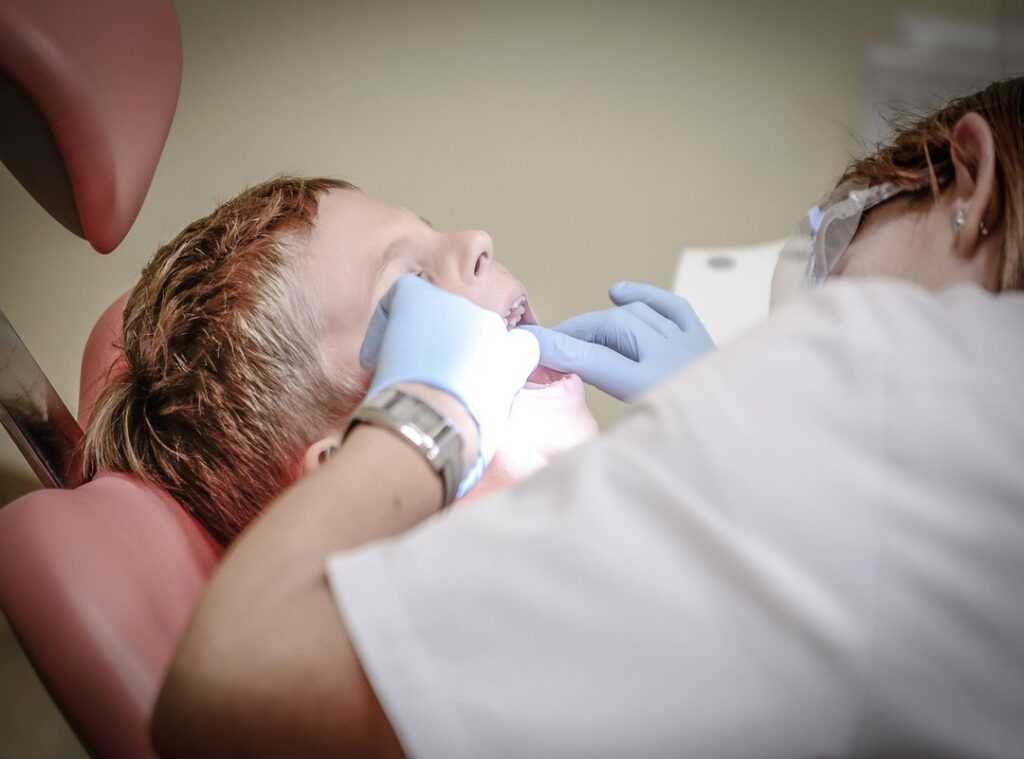
I know that feeling.
The knot in your stomach before your kid’s next dentist appointment.
You’re not imagining it. Most parents I talk to dread Child Dental Visits Nitkaparenting more than their child does.
Why? Because they’ve been burned before. A rushed exam.
A crying meltdown. That awkward moment when the hygienist says, “We’ll try again next time.”
I’ve heard it all. From thousands of parents just like you.
And I’ve seen what actually works. Not theory. Not wishful thinking.
Real strategies that shift the whole experience.
This guide walks you through every step. From picking the right office to handling tears in the chair to what to say (and not say) afterward.
No fluff. No guilt. Just clear, calm, practical help.
You’ll finish this knowing exactly what to do. And why it works.
First Tooth, First Visit: No Joke
I took my kid to the dentist before she could walk. (Yes, really.)
The American Academy of Pediatric Dentistry says: first birthday or six months after that first tooth pops up. Whichever comes first.
That’s not a suggestion. It’s the line in the sand.
You’re not there to fix cavities. You’re there to stop them before they start.
I remember thinking baby teeth don’t matter. Wrong. They hold space for adult teeth.
They help with speech. They let kids chew real food (not) just mush.
Skip this visit and you’re gambling on decay before age two. (It happens. A lot.)
This is where Nitkaparenting helped me. No fluff, just straight talk about what actually works.
Early visits build what dentists call a dental home. Sounds fancy. It’s not.
It’s just a place your kid knows, trusts, and doesn’t scream in.
You learn how to brush properly. How much fluoride is safe. Whether that weird gum swelling is normal.
It’s like laying floorboards before you hang wallpaper. Skip the foundation and everything else wobbles.
Baby teeth fall out? Sure. But rotting baby teeth infect gums.
They hurt. They mess up alignment.
And yes. This is part of Child Dental Visits Nitkaparenting.
Don’t wait for pain. Don’t wait for school forms. Go early.
I did. My kid now sits in the chair and watches cartoons while getting checked.
No tears. No trauma. Just routine.
Start there. Everything else follows.
Before the Chair: Prep That Actually Works
I used to say “it’s just a checkup” while my kid clung to my leg.
Then I watched how fast kids mirror your voice, your breath, your shoulders.
So here’s what I do now. No fluff, no sugarcoating.
Use positive language. Say “counting your teeth” instead of “shot.”
Say “tickling your teeth clean” instead of “drill.”
Words like hurt or scared land hard. They stick.
You don’t get a redo.
Role-play at home. Let them count your teeth with a toothbrush. Let them be the dentist for a stuffed bear.
It’s not pretend. It’s rehearsal. And kids who rehearse show up calmer.
Read or watch something light first. Daniel Tiger’s Neighborhood has an episode where Daniel goes to the dentist and gets a sticker. The Berenstain Bears Visit the Dentist still holds up. No heavy lifting required. Just 10 minutes before bed.
Schedule smart. Not right after school when they’re wired. Not two hours past naptime when they’re hangry.
I covered this topic over in Nurturing Advice.
Pick the slot that fits their rhythm. Not yours.
And yes, manage your own anxiety. Kids read your face like a text message. If you’re tight-lipped and stiff-armed, they’ll feel danger even if nothing’s wrong.
Breathe. Smile. Say “we’re going to see Dr.
Lee and get our smiles checked.”
This isn’t about perfection.
It’s about showing up ready. For them and yourself.
One last thing: If you’re looking for real talk on Child Dental Visits Nitkaparenting, skip the generic blogs.
Go straight to what works. Not what sounds nice.
Inside the Office: What Really Happens
I walked in with my kid clutching a stuffed sloth and zero idea what to expect.
The waiting room had books, not brochures. Toys, not TVs. A fish tank bubbled slowly.
No fluorescent buzz. Just calm.
That’s intentional. Not cute décor (it’s) plan.
Pediatric dentists don’t jump straight to the drill. They use Tell-Show-Do. First they tell your child what’s happening (“I’m going to count your teeth”).
Then they show (maybe) let them hold the mirror or feel the toothbrush. Then they do it. Slow.
Predictable. No surprises.
You’re not kicked out. You sit right there. Often, for kids under three, it’s a lap-to-lap exam.
Your child sits on your lap, facing you. The dentist kneels in front of you and gently leans your child back (like) a mini recliner. You hold their hands.
You stay in control.
They’re not just checking for cavities.
They look at bite alignment. Gum health. Jaw development.
Whether baby teeth are coming in on time. And whether they’re spaced enough for adult teeth later.
No X-rays on day one. No scraping. Just a quick polish with a special toothbrush.
Soft. Quiet. Like brushing, but smoother.
Then fluoride (not) a rinse, not a gel. They paint it on. Call it “tooth vitamins.” It’s literal.
It strengthens enamel. It’s safe. It’s effective.
Some offices skip fluoride for first visits. Mine didn’t. And I’m glad.
If your kid fidgets? That’s fine. If they cry?
Also fine. Dentists expect it. They adjust.
They wait.
This isn’t about perfection. It’s about building trust. One visit at a time.
If you’re new to this whole thing, this guide helped me stop Googling “is drooling normal at 18 months” at 2 a.m.
Child Dental Visits Nitkaparenting isn’t some fancy term. It’s just what happens when you show up prepared (not) perfect.
After the Visit: Keep the Good Vibes Going
I tell every parent this: what you do after the appointment matters more than the appointment itself.
Praise your kid. Right then. Not later.
Not at dinner. Right after they hop off the chair.
Say it loud: “You sat so still. That took real courage.”
Even if they cried. Even if they kicked. Especially then.
Because bravery isn’t the absence of fear. It’s showing up anyway. And you naming it?
That sticks.
Did the dentist say “brush twice, floss once”? Then do it tonight. Not next week.
Not when it’s convenient.
Make it part of the routine (not) a chore, not a negotiation. Brush together. Sing the same dumb song every time.
Let them pick the toothbrush color. Small things. Big impact.
Ask questions they’ll actually answer: “Wasn’t it cool how the light moved?”
Not “Was the dentist nice?” (They’ll say yes. Always.)
You’re not building a perfect smile. You’re building trust. In the chair, in the process, in you.
One visit doesn’t fix everything. But one visit done right (followed) by calm, consistent action (makes) the next one easier. And the one after that.
That’s how positive momentum becomes habit.
It’s not about perfection. It’s about showing up, again and again, with kindness and clarity.
If you want simple, no-nonsense routines that actually stick? Check out the Handy Tips to Help Your Kids Nitkaparenting.
Child Dental Visits Nitkaparenting starts at home. Not in the waiting room.
You’ve Got This Covered
I remember that tight feeling in my chest before my kid’s first checkup. You feel it too. That worry.
That “what if they cry” or “what if they hate it” dread.
It doesn’t go away because you ignore it. It goes away because you prepare. Because you show up calm.
Because you trust the process. And the team.
Child Dental Visits Nitkaparenting isn’t about perfection.
It’s about showing up ready (not) for a flawless visit, but for a real one.
The dentist isn’t working on your child. They’re working with your child. And you.
All three of you.
So stop rehearsing worst-case scenarios.
Start rehearsing how good it feels to walk in knowing you’ve done your part.
Your next move? Schedule that visit. Not tomorrow.
Today. Do it now. While you’re still thinking clearly.
You’ll thank yourself at the appointment.